
Word Study: “Banner” (degel)
Song of Solomon 2:4 · Strong’s H1714
Banner — The Short Study
Today's Revelations
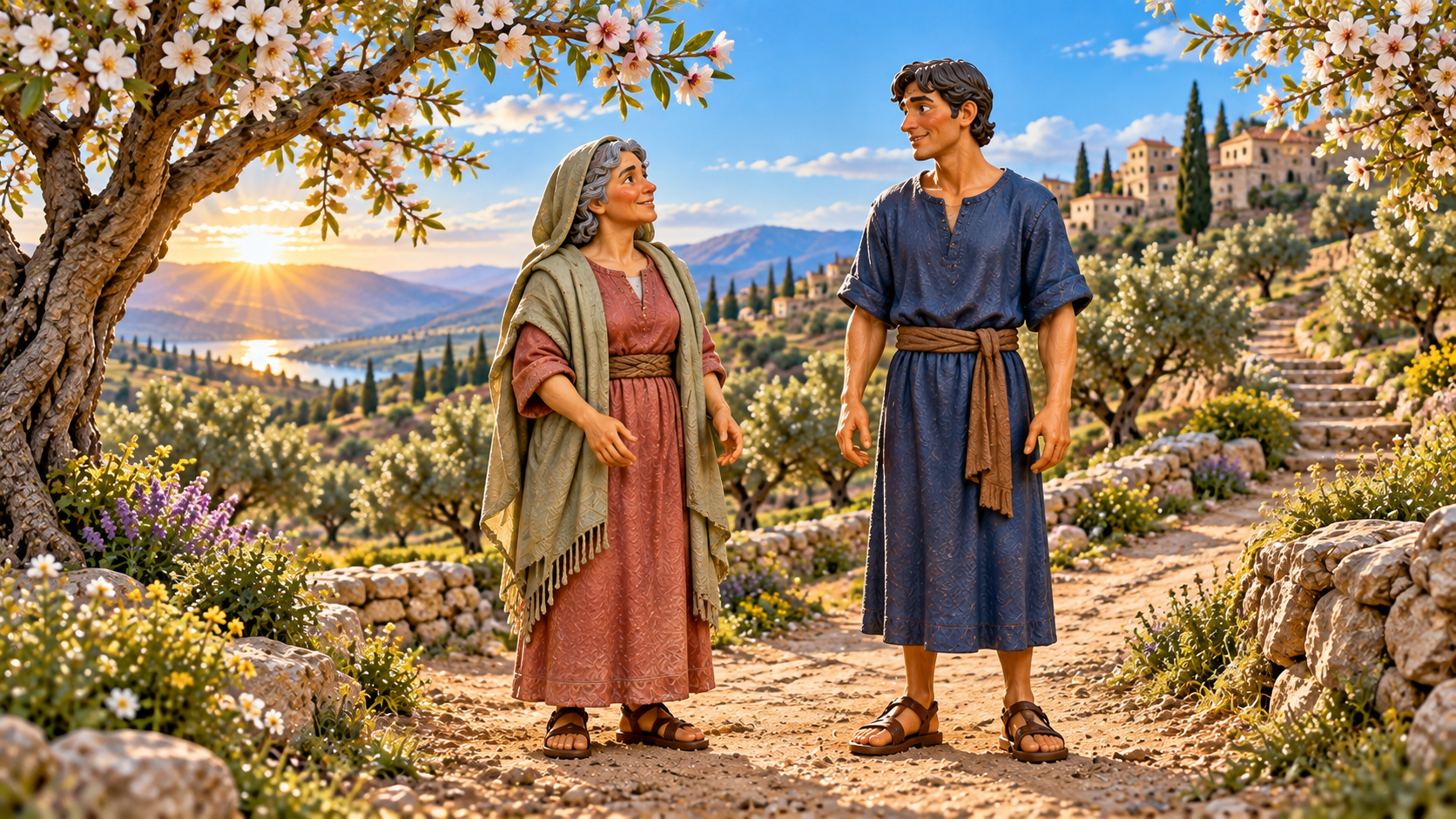
- 1A banner gives belonging a place. In Numbers 2, Israel camps and travels by standards, each community gathered in its appointed place. Degel can name the standard or the division it identifies. That background gives the traditional reading of Song of Solomon 2:4 its force: love becomes a visible sign of belonging. The poem brings the language of an ordered camp into a tender encounter. It does not describe an actual military ceremony; the standard is a poetic picture through which the beloved expresses what his love means to her.
- 2Love is the identifying mark. The Hebrew second clause places “his banner,” “over me,” and “love” together without an expressed verb. On the familiar banner reading, “love” is the predicate: his banner over her is love. Love is more than a slogan written on cloth; in the poem it identifies the banner itself. Describing what a banner announces can unfold that metaphor, but the missing verb does not prove two separate meanings or a literal protective canopy. The point is the character of the love she experiences.
- 3A loving gaze belongs to the discussion. Some interpreters connect the wording with a related ancient-language term for looking or gazing, and understand the line as his loving attention toward her. The standard and the gaze are alternative readings, not two meanings established simply by the absence of a verb. Nor does a gaze have to be private or a banner prove a public announcement before a crowd. We can appreciate the familiar image while admitting the lexical debate: the verse locates the beloved within an encounter marked by love.
- 4Belonging must be tender and mutual. Read the banner beside the surrounding images: shade and sweet fruit, refreshment, an embrace, and the refrain not to awaken love before its time. Later she says, “My beloved is mine, and I am his.” This is poetry of mutual affection. Applying it to relationships means more than making a public claim. Let promises, speech and behavior agree. Honor the other person’s dignity, respect boundaries, and make commitment a source of care rather than control.
- 5Let love shape the way you live. The Song first speaks about human lovers. Receiving its banner as an image of divine love is a Christian devotional application, supported by the wider biblical witness that God loved us first. Bring one pressure that has been defining you—performance, comparison or fear—before God. Then let received love become a concrete act: keep a promise, speak honorably of someone, or offer patient attention. Grace can shape both the identity you receive and the care you give.
The Bottom Line
Let love be your banner. Make belonging visible through faithful care.
Song: Standard in the Field · Standard in the Field traces a journey from wandering alone to finding a place among a gathered people. Its recurring banner and standard images extend the study’s theme of visible belonging. The song’s army and covenant language is devotional imagery; it gives space to reflect on receiving love and making faithful care visible.