
Word Study: “Deliverance” (peletah)
Obadiah 1:17 · Strong’s H6413
Deliverance — The Short Study
Today's Revelations
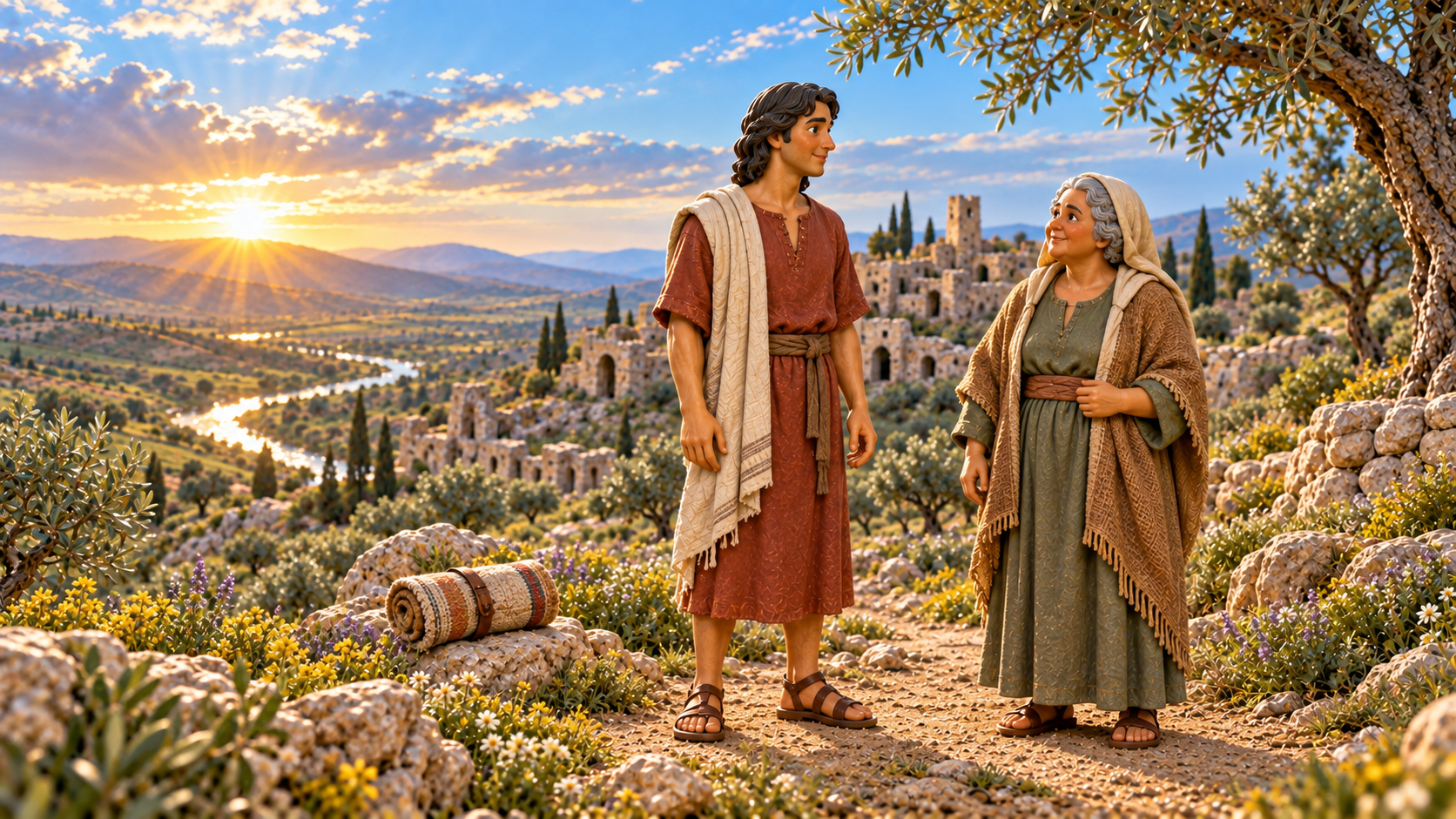
- 1Deliverance has faces. The Hebrew noun peletah can describe escape and the people who escape. The KJV’s “deliverance” and the ESV’s “those who escape” bring different sides of that range into view. In this passage, the surviving community gives the promise its concrete shape: rescue is something God does, and survivors are the people who bear witness to it. The context supports holding event and people together without claiming that one English rendering exhausts the Hebrew.
- 2The crossroads do not have the final word. Verse 14 condemns Edom for blocking fugitives and handing over survivors in their day of distress. Its word for an escapee, palit, belongs to the same root family as peletah in verse 17. That echo sharpens the reversal: the people exposed on the road have a future on Zion. This does not mean every fugitive escaped Edom. It means Edom’s violence cannot cancel the promised preservation of Jacob’s people.
- 3Hope has a place to gather. “But upon mount Zion” turns our attention from the nations’ judgment to a promised refuge. Peletah is the verse’s first positive promise, though the Hebrew sentence begins with the place, Mount Zion. The literary turn makes a surviving people especially vivid; it does not settle the noun’s meaning by word position alone. Zion here is Jerusalem, the community’s concrete center of restored life, rather than a generic symbol for any safe space.
- 4Survival opens toward holy restoration. Verse 17 joins deliverance, holiness and the house of Jacob possessing its inheritance. God’s purpose reaches beyond getting through a catastrophe: His people are to live as a restored, set-apart community. These are linked promises, not a rigid three-step recovery timetable. The verse’s communal and territorial hope should not be turned into a guarantee that every modern believer will recover every possession or relationship.
- 5Care for what remains. The app’s “escaped portion” offers a useful devotional image: what remains deserves care. Loss is real, and survivors need more than encouragement to be strong. Preserve a faithful relationship, welcome someone seeking safety, or take one modest step toward rebuilding. These are applications drawn from the passage’s hope, not definitions hidden inside the Hebrew noun. The promise gives us reason to value people and beginnings that adversity has not erased.
The Bottom Line
God’s deliverance takes shape in a people He preserves. Honor what remains, make room for refuge, and take the next faithful step toward restoration.
Watch the full Bible study on YouTube
Song: Slipped Through the Fingers · The supplied song follows people threatened by catastrophe into escape, mercy, survival and grateful worship. Its repeated escape image and final remnant language closely match the study’s movement from Edom’s crossroads to a preserved community. The song invites reflection on caring for what remains; it does not claim to quote Obadiah or promise an untouched life.