Daily studies that reveal the original Hebrew and Greek meanings behind Scripture. No seminary required — just you, your phone, and 15 minutes.
JOSHUA 5:12 · STRONG’S NUMBER H7673
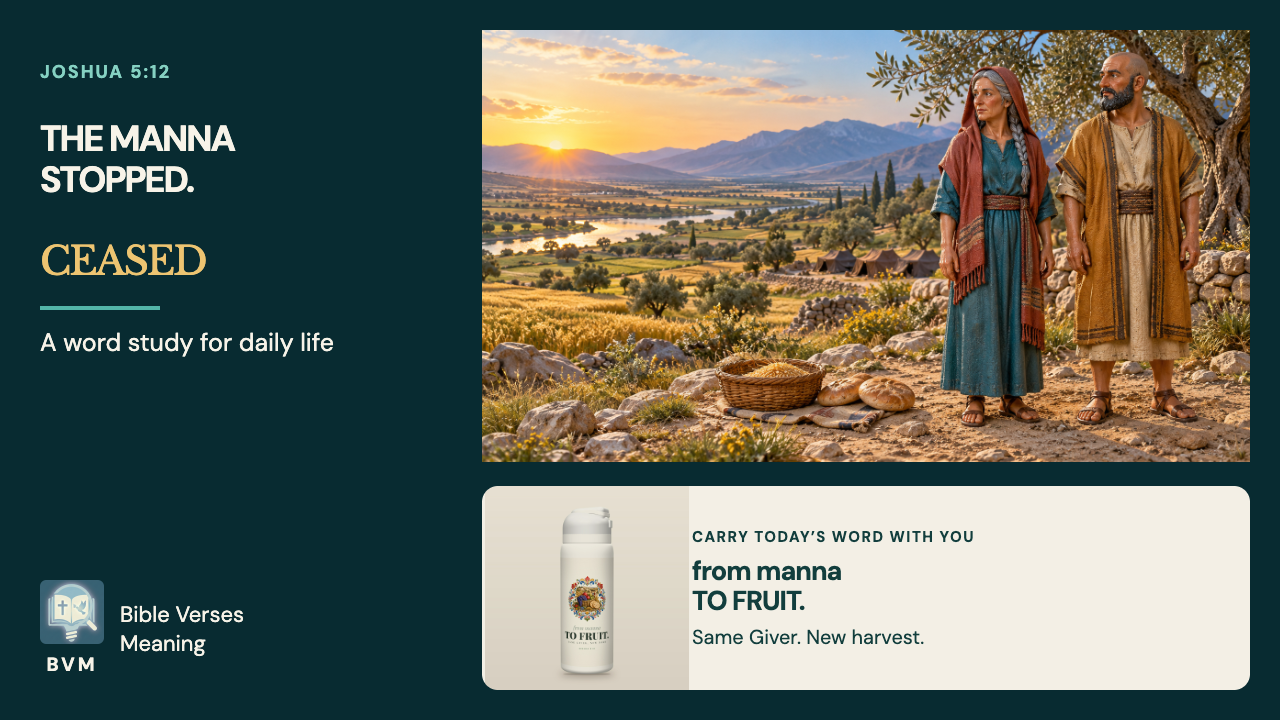
Israel ate food from Canaan before the manna ended. The familiar gift was gone, but the people were still being fed. Joshua helps us recognize God’s care when its form changes.
“Ceased” · shabath · שָׁבַת
“And the manna ceased on the morrow after they had eaten of the old corn of the land; neither had the children of Israel manna any more; but they did eat of the fruit of the land of Canaan that year.”
Joshua 5:12 · King James Version
THE COMPLETE STUDY
Five discoveries, the real app study, and The Work Is Finished.
READ · REFLECT · RESPOND
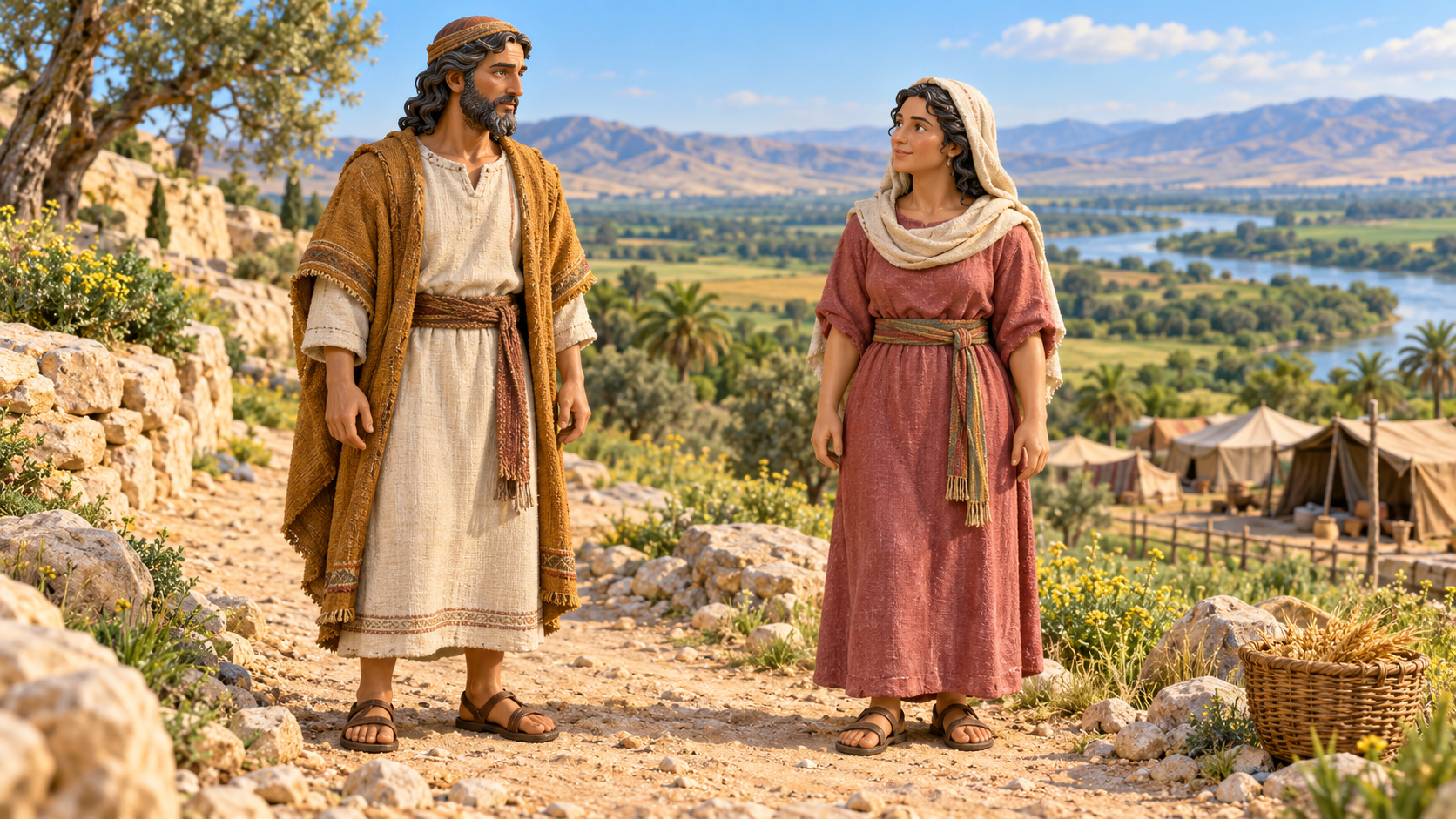
The Hebrew word behind ceased is shabath, Strong’s number H7673. It means to stop, cease, or rest from an activity. The word itself does not tell us whether an ending is good or painful; the surrounding account tells us what this ending means. Joshua says Israel had already eaten food from the land when the manna stopped. He then says they ate the land’s produce that year. The story does not leave them hungry beside an empty wilderness supply. Its final sentence points to food that was now available. Before deciding what an ending means, pay attention to the whole situation, including what remains and what has become possible.
Joshua 5:11–12
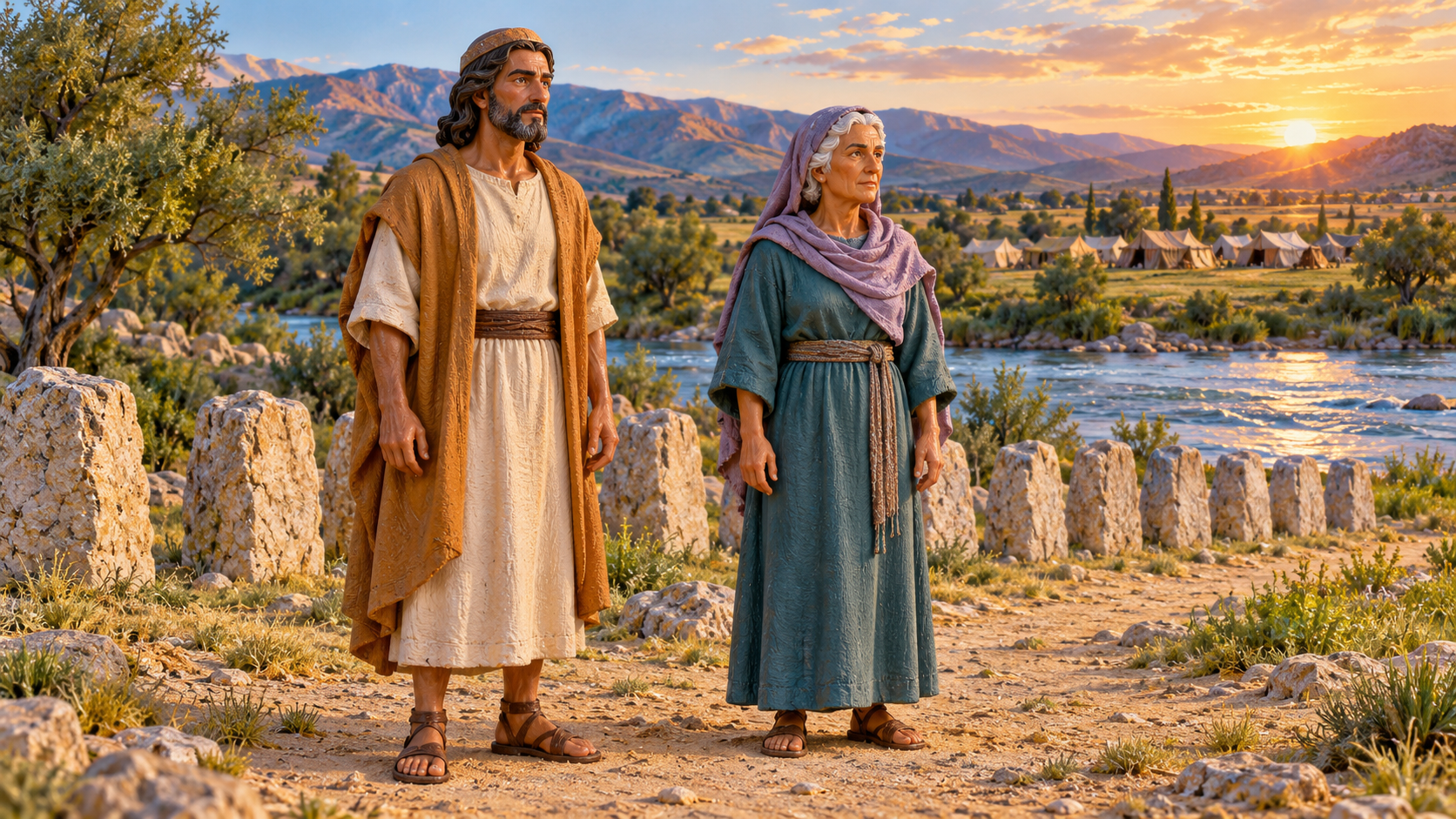
Joshua had led Israel across the Jordan into Canaan, the land God had promised their ancestors. At Gilgal they kept the Passover, the meal that remembered God’s rescue from Egypt. Soon afterward they ate the land’s grain, and the manna ceased. Exodus 16:35 had already described manna as food for their wilderness journey until they reached the land. Its ending fits that story. It does not erase the years of care that brought them there. When a familiar support changes, remember specific ways you have been helped. Gratitude can steady you without requiring the future to repeat the past.
Joshua 4:19; 5:9–12 · Exodus 16:35
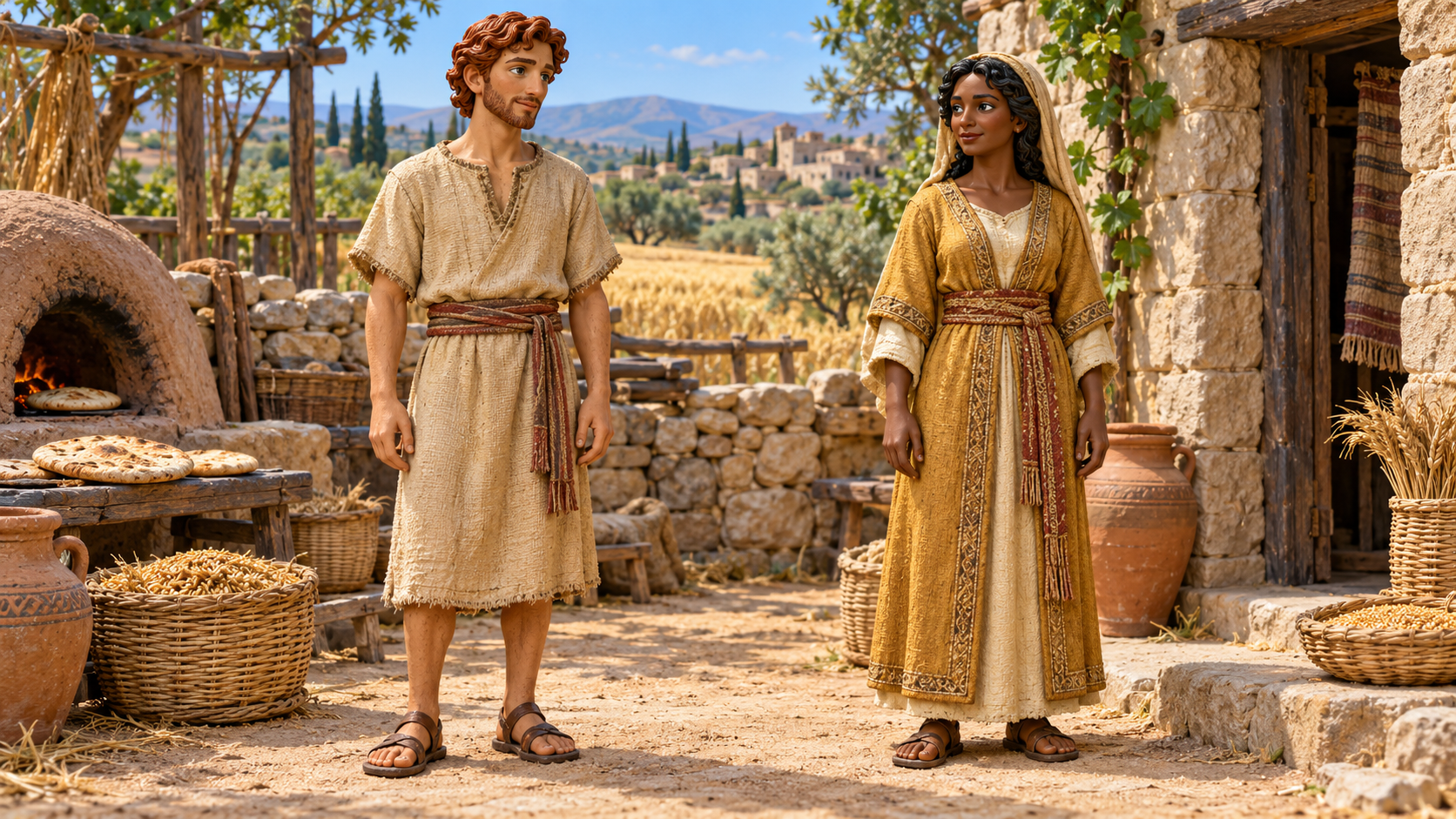
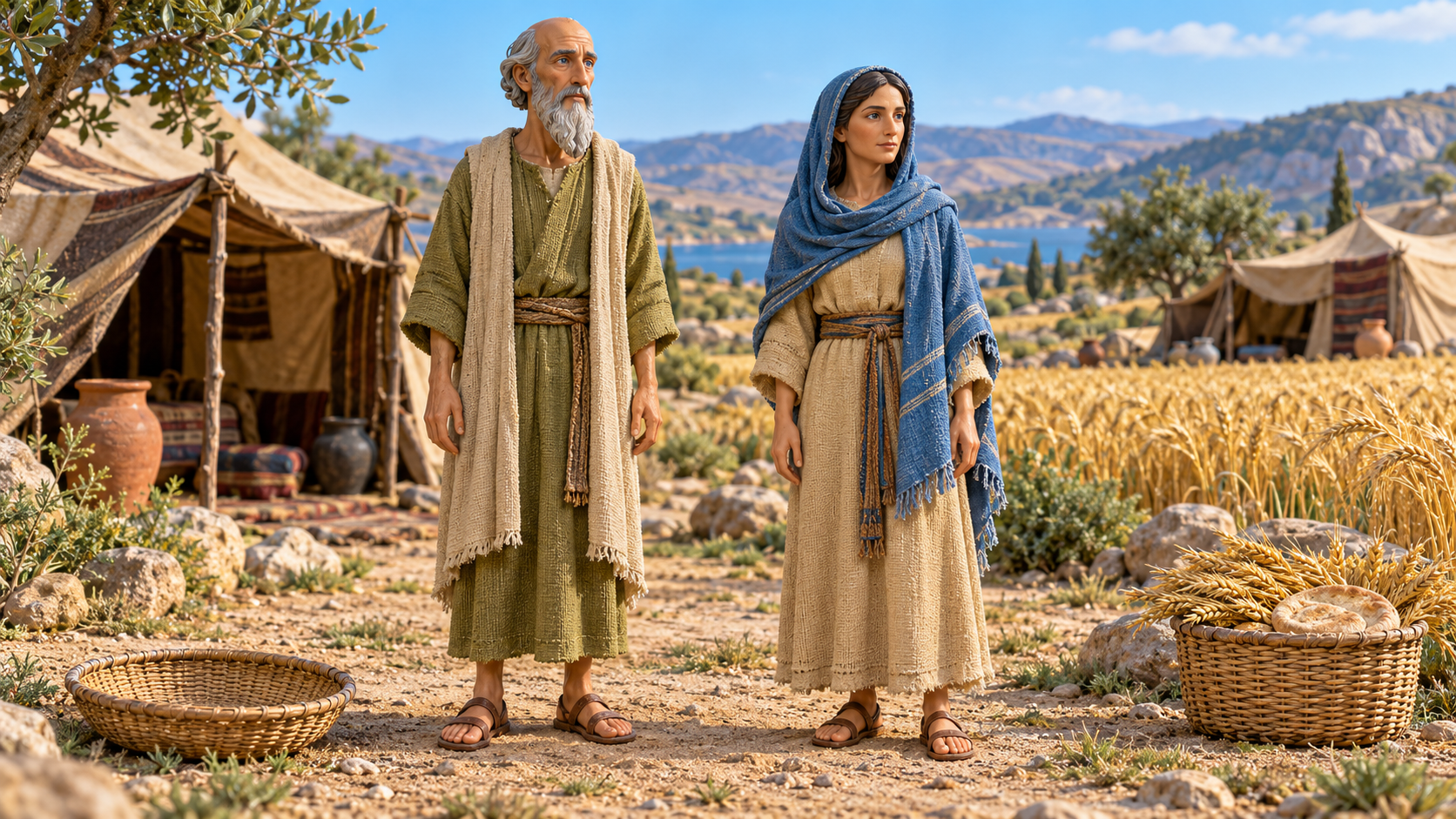
The KJV expression “old corn” refers to grain from the land, not specifically the maize many English speakers call corn today. Israel ate unleavened cakes, bread made without leaven, and parched grain. Their food no longer arrived as manna on the ground, but eating the land’s produce did not make them independent of God. Deuteronomy warns Israel against crediting its own strength for every gain and calls the people to remember the Lord. We can receive help through ordinary means without treating it as second-class care. A meal, honest work, a useful skill, or a neighbor’s kindness can deserve our gratitude even when nothing about it looks spectacular.
Joshua 5:11–12 · Deuteronomy 8:10, 17–18
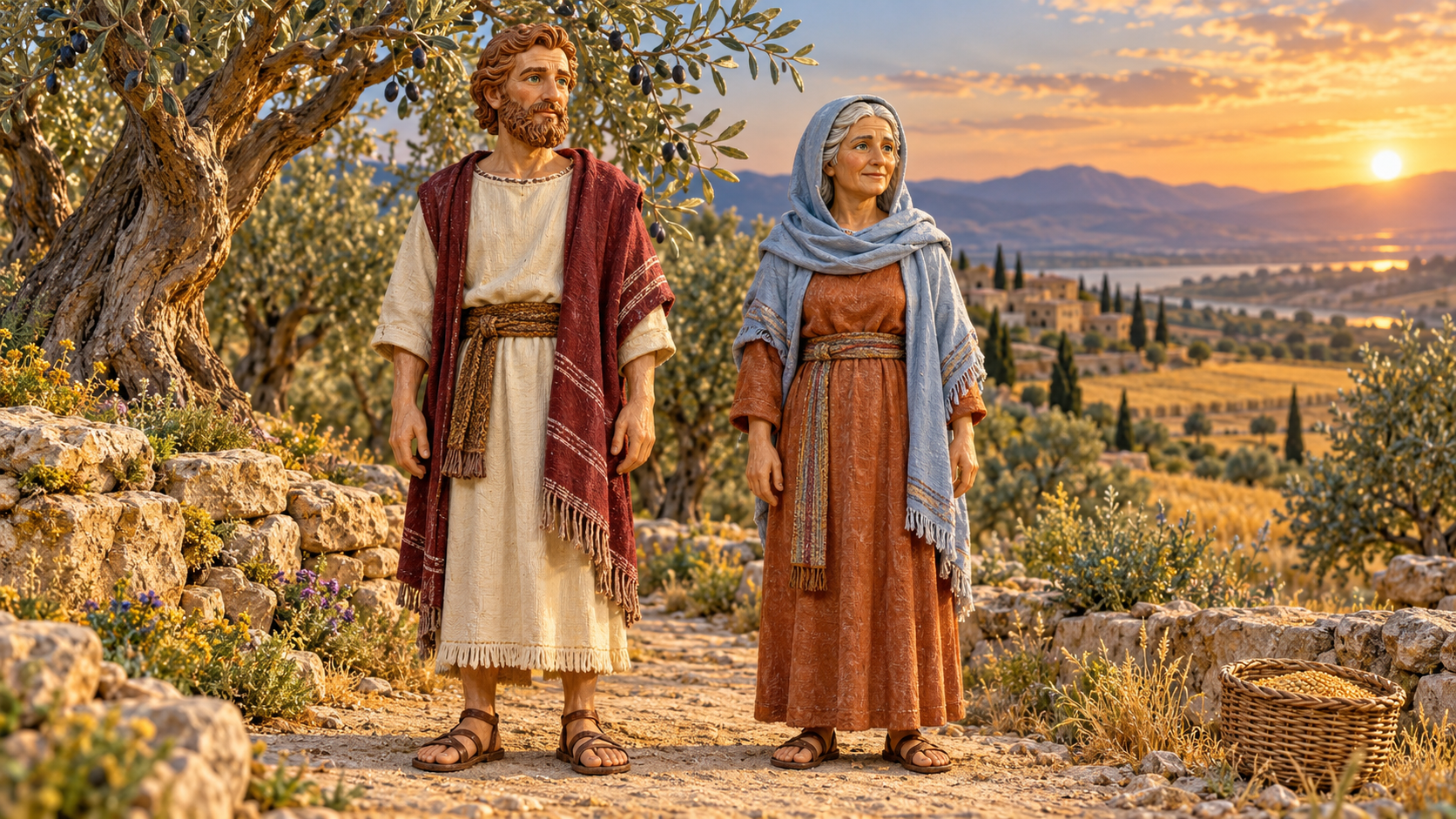
Genesis 2:2 uses the same Hebrew verb when it says God “rested on the seventh day from all his work which he had made.” The opening of that chapter says the heavens and earth were finished. His ceasing belongs to completed creation work, not to a failure of power. Joshua describes a different event, yet the shared word helps us see that stopping need not mean defeat. The manna’s wilderness role had reached its end. This connection does not make every ending a sign of completion, and it does not mean all of Israel’s work was over. Jericho still lay ahead. A finished task can be honored without pretending the whole journey is finished.
Genesis 2:1–3 · Joshua 5:12
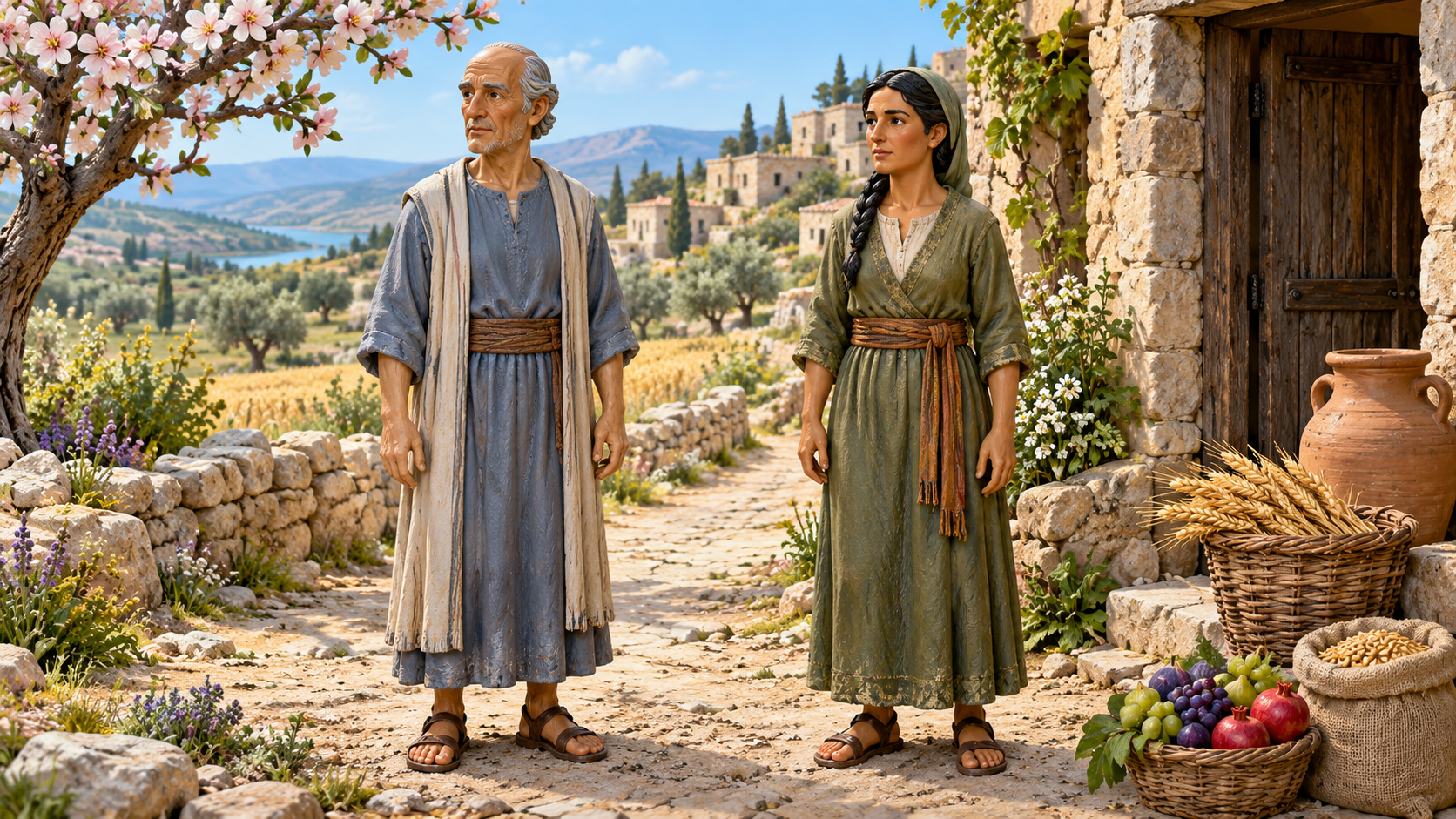
Israel’s response in this verse is simple: they ate the food of the land. The text does not say they planted that first grain themselves, or that gathering manna had been lazy dependence. Both seasons required receiving what God supplied. For us, a faithful response may include using a skill, accepting help, or taking the next responsible step already in reach. This passage does not promise that every lost job, relationship, or source of support will soon be replaced by something better. Some losses require grief and real assistance. Still, we can ask honestly what care is available today, thank God for it, and act without demanding that it look exactly like yesterday’s provision.
Joshua 5:12 · Deuteronomy 8:10–18
THE BOTTOM LINE
The manna ended after Israel had food from the land. God’s care was not limited to one familiar gift. Remember His faithfulness, receive the help before you, and take the next faithful step.
READ THE PASSAGES TOGETHER
| Genesis 2:1–3 | Joshua 5:11–12 |
|---|---|
| The heavens and earth are finished. | Israel has entered the land and eaten its grain. |
| God rests from His creation work. | The wilderness manna ceases. |
| Ceasing does not mean failed power. | Ceasing does not mean the people have no food. |
The same Hebrew verb is used in both passages. Their contexts explain why the work ends; the word alone does not make every ending a success.
A MOMENT TO RESPOND
What familiar support has changed, and what honest help is available now?
A prayer: Lord, thank You for the care that brought me here. Help me recognize today’s gifts, grieve honestly where I need to, and take the next faithful step.
TODAY’S WORD · AN EVERYDAY REMINDER
A companion to today’s study of Ceased in Joshua 5:12: a reminder that the manna ended while God continued to feed His people.
360° view · from manna TO FRUIT.
PRINTED ON THE BOTTLE
Same Giver. New harvest.
“And the manna ceased on the morrow after they had eaten of the old corn of the land… but they did eat of the fruit of the land of Canaan that year.”
Joshua 5:12 · KJV
An everyday reminder to thank God for yesterday and receive today’s care.
Explore today’s study bottle ↗

Headline: from manna TO FRUIT.
Verse: “And the manna ceased on the morrow after they had eaten of the old corn of the land… but they did eat of the fruit of the land of Canaan that year.”
Meaning: The Hebrew word for “ceased” is the same one used when God “rested” after creation. The manna stopped, but God’s provision didn’t. It changed form: bread from heaven became the fruit of the land.
Reminder: Same Giver. New harvest.

A companion to the study, created to help you remember today’s word.
FROM BIBLE VERSES MEANING
Continue reflecting on the word, the passage, and today’s song.
📖 Word Study: ceased (H7673)
Joshua 5:12
1. Linguistic Nuance
The Hebrew verb shabath (H7673) means to "rest" or "desist from labor"—the very root of Sabbath. Unlike synonyms indicating abrupt termination or destruction (kalah), shabath carries the flavor of a purposeful, completed cycle. The manna did not "fail" or run out; its divine task was simply finished, allowing it to enter a state of rest.
2. Historical Context
For the ancient Israelites, manna was temporary wilderness rations. The original audience would view shabath not as a tragic loss, but as a triumphant marker of covenant fulfillment. The cessation of manna signaled the official end of nomadic wandering and the transition into taking ownership of the Promised Land, shifting from emergency sustenance to permanent agricultural abundance.
3. Practical Application
In modern life, the cessation of a specific blessing or support system is often a sign of maturity rather than abandonment. When temporary "manna" stops—be it a past season, job, or safety net—it invites us to step into a new stage of growth, moving from passive reliance to active stewardship of the fruit in front of us.
— Bible Verses Meaning App
💡 Bible Insight
Q: In Joshua 5:12, "the manna ceased (shabath) on the morrow after they had eaten of the old corn of the land." Is the ending of the manna a withdrawal of God's provision, or a sign that His provision has simply changed form now that Israel has entered the land? And what does it suggest that the same word is used in Genesis 2:2, when God "rested (shabath)" on the seventh day from all His work?
OVERVIEW
The cessation (shabath) of manna in Joshua 5:12 represents a strategic shift in the form of provision rather than a withdrawal of care. The passage notes that manna ceased specifically "on the morrow after they had eaten of the old corn of the land" and that the children of Israel "did eat of the fruit of the land of Canaan that year" Joshua 5:11-12. This shift follows their circumcision at Gilgal, where the "reproach of Egypt" was rolled away, and their celebration of the Passover Joshua 5:9-10.
The use of the same verb shabath in Genesis 2:2—where God "rested [shabath] on the seventh day from all his work"—points to a consistent biblical principle: shabath denotes the completion of a specific, preparatory phase and the entering into an established state. Just as creation work ceased because the heavens and earth were finished Genesis 2:1-2, miraculous wilderness manna ceased because Israel reached the land sworn to their fathers, "a land that floweth with milk and honey" Joshua 5:6.
KEY BIBLICAL PASSAGES
The following passages illustrate how divine provision transitions upon reaching a intended milestone:
- Joshua 5:11-12: "And they did eat of the old corn of the land on the morrow after the passover... And the manna ceased on the morrow after they had eaten of the old corn of the land; neither had the children of Israel manna any more; but they did eat of the fruit of the land of Canaan that year." This text proves that the end of manna coincided directly with the availability of local sustenance, replacing temporary relief with the permanent bounty of Canaan.
- Genesis 2:1-3: "Thus the heavens and the earth were finished... And on the seventh day God ended his work which he had made; and he rested [shabath] on the seventh day..." This passage demonstrates that shabath marks an endpoint of creative labor because the objective has been achieved, establishing a baseline of completeness.
- Joshua 5:6: "For the children of Israel walked forty years in the wilderness... unto whom the LORD sware that he would not shew them the land, which the LORD sware unto their fathers that he would give us..." This context connects the cessation of wilderness manna to the fulfillment of an ancient promise after forty years of wandering.
PRACTICAL WISDOM
These passages offer practical guidance for understanding life transitions and changing forms of support:
- Identify the Purpose of Transitions: When a long-standing form of provision or assistance stops, evaluate whether a phase of life has naturally reached completion. The ending of a temporary support system often signals entry into a secondary stage of growth rather than neglect.
- Adapt to the Environment: The Israelites had to shift from gathering daily manna to consuming the harvest of the land Joshua 5:12. Practical wisdom requires recognizing when to stop relying on temporary emergency measures and begin cultivating the tangible resources available in one's current environment.
- Acknowledge Completed Work: Following the pattern of shabath in Genesis 2:2 and Joshua 5:12, take time to recognize when a period of labor or transition is finished. Marking these boundaries helps individuals transition mentally from a state of survival or temporary effort into a state of long-term stewardship.
— Bible Verses Meaning App
The Work Is Finished celebrates the move from manna to the food of the land and echoes the connection between ceasing and completed work in Genesis 2. The song uses poetic language about rest, freedom and promise. Joshua 5 does not say every promise was already fulfilled, that all struggle was over, or that faith was no longer needed; Jericho still lay ahead. The written study keeps those limits clear while receiving the song as a thankful response to this change in provision. The complete supplied performance is retained in the long video, with audible repeats preserved in timed captions.
Ooh, the morning breaks, yeah.
A beautiful change.
We gathered every sunrise, living hand to mouth.
A silver morning mercy raining down.
Forty years of wandering, moving to the south.
Finding our survival on the holy ground.
And then it ceased, not from loss, not from a tragic fall.
It was the completion of the call.
See, now we're standing tall.
The work was finally done for one and all.
No more reaching for the sky to find our daily bread.
The river's finally crossed, the green is here instead.
A harvest waiting in the dirt, a future in our hands.
We're putting down our roots into this promised sacred land.
And then it ceased, not from loss, not from a tragic fall.
It was the completion of the call.
See, now we're standing tall.
The work was finally done for one and all.
Out of the wilderness and into the light.
We no longer walk only by our faith and sight.
The cycle is finished, the rest has been won.
Every promise fulfilled under the sun.
Look at this abundance, see how it grows.
Here's to the river that finally flows.
No more wandering, we are finally free.
Entering into our own destiny.
Yes, it ceased, and we are full.
The work is done, hallelujah.
Resting in the promise forevermore.
It ceased
Try Bible Verses Meaning free for 7 days and discover what the original words really mean.
